AI Summit Communique 2026
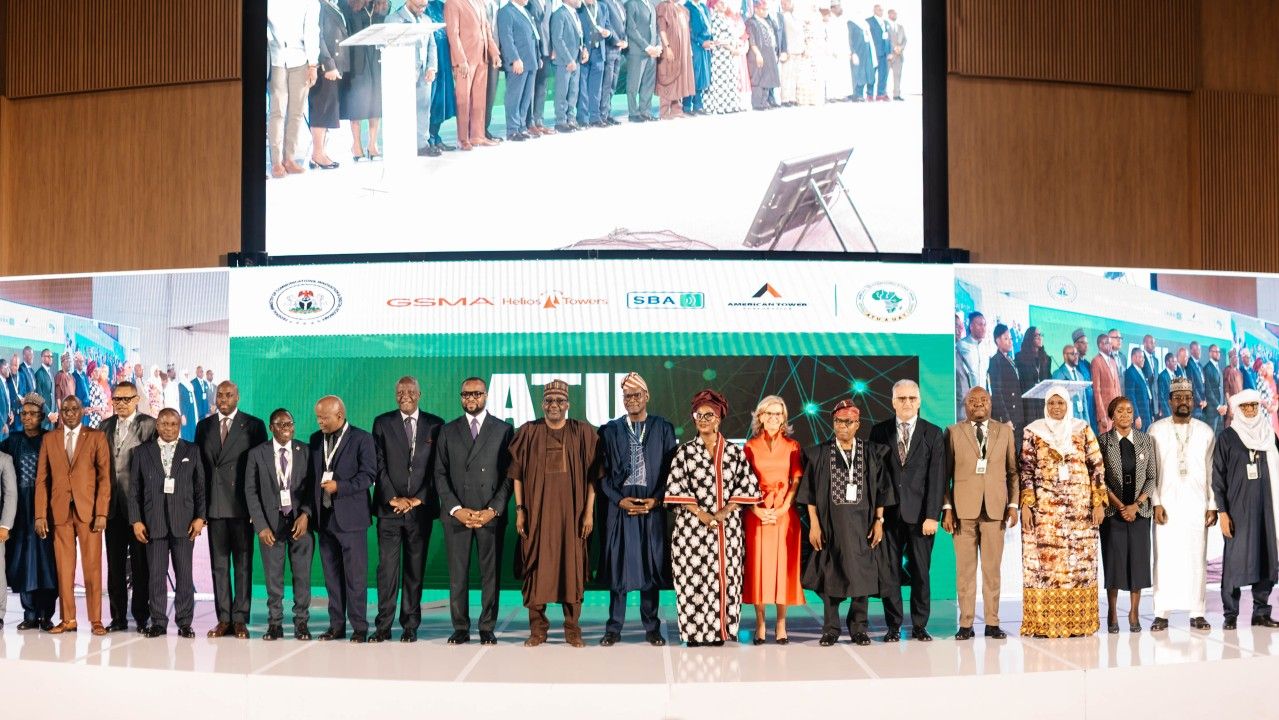
On 16 June 2026, Microsoft convened AI Summit Nigeria in Abuja under the theme From Policy to Progress: Accelerating Responsible AI Adoption for Nigeria's Digital Decade. Organised by NINA JOJER Africa, in partnership with NITDA and MTN Nigeria, the Summit gathered government, regulators, development partners, academia, and industry to turn Nigeria's AI ambition into practical action. Across two plenaries and four working sessions, participants examined regulatory clarity, digital sovereignty, public-sector AI governance, and the pathways for adoption across Ministries, Departments, and Agencies. The Policy Communiqué below sets out the priorities that emerged, from strengthening trust and data governance to advancing Nigeria's role as a regional anchor in the African digital economy.


23rd Jun. 2026, 1:00 PM .

1. PREAMBLE
On 16 June 2026, senior government decision-makers across Ministries, Departments, and Agencies (MDAs), development partners, academia, and technology leaders convened at the Transcorp Hilton, Abuja, for the AI Summit Nigeria.
The AI Summit Nigeria was convened by Microsoft, in collaboration with the National Information Technology Development Agency (NITDA) and MTN Nigeria. This distinguished assembly prioritised a vital national objective: facilitating the transition of Nigeria from the conceptual design of artificial intelligence policies to their ethical and responsible implementation within the public sector.
Acknowledging Nigeria’s early-mover advantage on the continent — anchored by the National Artificial Intelligence Strategy (NAIS), the N-ATLAS multilingual model, the 3MTT talent programme, and the National Digital Economy and E-Governance Bill 2025 — the Summit affirmed Nigeria’s role as an anchor and peer within the wider African digital economy.
Following intensive deliberations, the participants reached a unanimous consensus on the strategic roadmaps required to transition Nigeria from a digital economy into an intelligent economy.
2. CORE DECLARATIONS
The Summit adopts the following foundational positions:
- Execution as Priority: The transition from strategy to practical implementation must deliver tangible, measurable benefits for government efficiency, societal well-being, and economic development.
- Active Contribution: Nigeria must position itself as a creator and contributor to the global AI ecosystem, rather than merely a consumer, leveraging its substantial local talent and institutional capacity.
- Collaborative Sovereignty: Digital sovereignty must be understood as the capacity to make strategic choices rather than as technological isolation. A middle-ground model of “Collaborative Sovereignty” allows Nigeria and the West African region to leverage global partnerships while retaining control over infrastructure, data, and talent.
- Trust as an Enabler: Trust, accountability, transparency, and data protection are not constraints upon innovation, but are the very foundations required to sustain it.
3. KEY RESOLUTIONS & RECOMMENDATIONS
To accelerate responsible public-sector AI adoption for the 2026–2027 cycle, the Summit resolves to pursue the following targeted actions:
A. Regulatory Clarity and Public-Sector Governance
- Address Foundational Barriers: Prioritise resolving non-technical roadblocks to data exchange across government, specifically focusing on data classification, metadata integration, and building inter-agency trust.
- Establish Centralised Principles: Articulate broad, centralised principles on safety, accountability, fairness, and responsible AI use to guide deployment uniformly across all MDAs.
- Strengthen the Nigeria Data Exchange: Enforce robust data protection structures and clear governance mechanisms to ensure data sharing creates mutual, measurable value across participating organisations.
- Define Jurisdictional Accountability: Provide clear legal frameworks and assign explicit institutional responsibilities for AI systems deployed within government workflows.
B. Elevating Talent and Digital Infrastructure
- Nurture Sovereign Talent: Recognise human capital as a strategic national asset. Commit to scaling and retaining the national talent pipeline, specifically sustaining initiatives like the 3 Million Technical Talent (3MTT) programme through cross-sector collaboration.
- Operationalise Risk-Based Cloud Frameworks: Leverage the National Cloud Policy to assess sovereignty through operational control (auditability, access control, residency, and portability) rather than physical data location alone.
C. Regional Harmonisation & Continental Integration
- Unify West African Markets: Actively drive the harmonisation of digital governance, cybersecurity, and data protection frameworks across West Africa to dismantle fragmented regional policy barriers and enable digital trade.
- Promote Partner-Based Infrastructure Models: Support Nigeria’s role as a regional anchor by hosting centralised compute and digital infrastructure under models that guarantee shared governance and equitable benefits across the region.
- Engage Global Privacy Alliances: Advance Nigeria’s participation in international cross-border privacy initiatives, including pursuing full membership in Cross-Border Privacy Rules frameworks.
4. OPERATIONAL OUTPUTS AND NEXT STEPS
The Summit notes with appreciation the practical translation of these discussions into three actionable instruments to guide the public-sector agenda:
- This Policy Communiqué: Establishing the definitive policy and consensus roadmap.
- The Government AI Deployment Framework: Incorporating the five validated Northstar Criteria (Data Governance, Accountability, Transparency, Correctability, and Sovereignty) as an operational readiness test for all MDAs.
- The AI Pilots for MDA Adoption Portfolio: Activating ten priority use cases across a cohort of willing MDAs — spanning trade facilitation, identity management, and judicial services — under the technical oversight of NITDA and NCAIR.
5. CONCLUSION
Participants affirm their shared commitment to advancing responsible AI adoption across the Nigerian government in partnership with regional peers. The Summit recognises this document not as a final step, but as a living catalyst for ongoing, deep collaboration between government, the private sector, development partners, and academia.
Below is the presentation made at the summit.
Share this article



Stay informed
Get our latest thinking delivered to your inbox each month
We respect your inbox. Unsubscribe anytime from any email.